Modern manufacturing depends on precision, repeatability and control. Whether the focus is tightening, fastening, quality assurance, dispensing, material removal or connected assembly, the right industrial tools can make a measurable difference to productivity, safety and long-term operational performance.
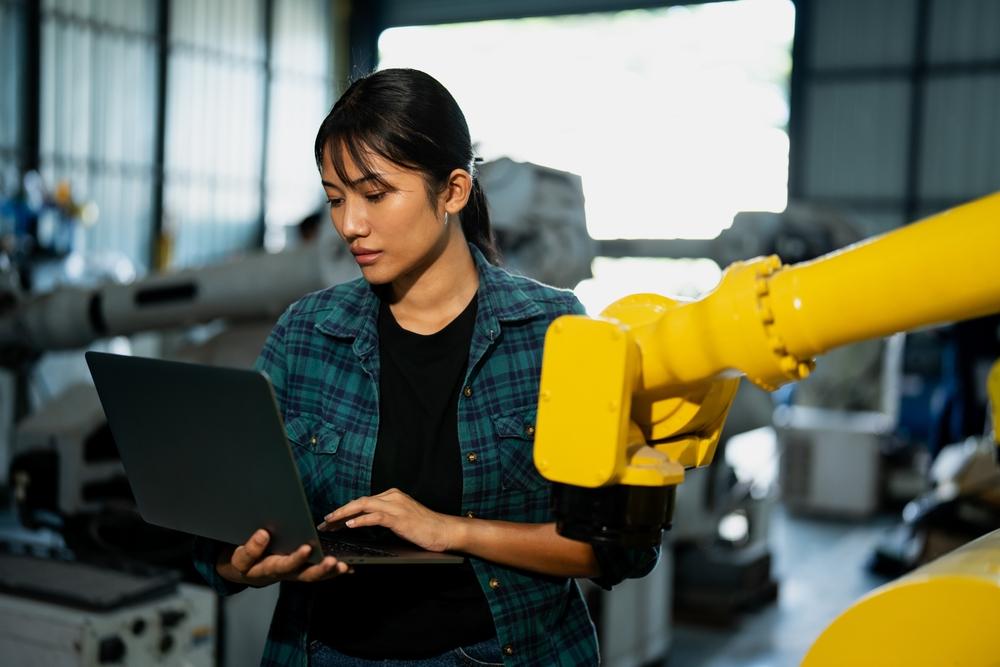
Choosing industrial tools for demanding production environments
For companies working with advanced assembly, it is rarely enough to choose tools based only on power or price. The better question is how well a tool supports the full production process. For those comparing industrial tools, assembly systems and connected production solutions, it is advantageous to read more online before deciding which solution fits a specific application.
Industrial production often involves repeated operations where even small deviations can affect quality. A tightening tool, for example, must deliver the correct torque consistently, while also supporting traceability and operator confidence. In the same way, dispensing systems, riveting solutions and machine vision technology need to work as part of a controlled process rather than as isolated pieces of equipment.
This is why many manufacturers look for complete assembly solutions instead of individual tools. A well-designed setup can connect tools, software, accessories, quality assurance and service into one more reliable workflow. That approach is especially valuable in industries where high volumes, strict tolerances and documentation requirements are part of daily production.
Why connected assembly matters in modern manufacturing
Connected assembly has become an important part of industrial development because production teams need better insight into what happens on the line. When tools and systems collect data, it becomes easier to monitor performance, detect errors and improve processes over time. This supports both productivity and quality, especially in environments where manual checks are no longer enough.
A smart assembly setup can help operators perform tasks correctly from the start. It may guide the user through a sequence, verify that each step has been completed and reduce the risk of missed operations. For the business, this can mean fewer defects, less rework and a more stable production flow.
Data is also valuable for continuous improvement. Instead of relying only on assumptions, production managers can use real information from tools, controllers and software to understand where bottlenecks occur. That makes it easier to adjust processes, plan maintenance and improve output without compromising quality.
From tightening and fastening to quality assurance
Industrial assembly includes many different technologies. Tightening tools are used wherever bolts, screws and joints must be secured with precision. In more complex applications, bolting solutions, flow drill fastening and self-pierce riveting can be part of the production strategy. Each method has its own role depending on material, joint design, strength requirements and production speed.
Dispensing solutions are another important area, particularly in industries where adhesives, sealants or thermal interface materials must be applied accurately. Inconsistent dispensing can affect product durability, appearance and performance. A reliable system helps ensure that material is applied in the right place, in the right amount and at the right time.
Quality assurance tools complete the process by helping manufacturers verify results. Torque wrenches, transducers, data collectors and quality software all support better control. This is not just about catching mistakes after they happen. It is about building a process that reduces the likelihood of errors from the beginning.
Supporting operators with safer and more efficient workstations
Industrial performance is not only about machines and software. Operators still play a central role in many production environments, which means ergonomics, safety and usability matter. A powerful tool that is uncomfortable, difficult to handle or poorly integrated into the workstation can create unnecessary strain and slow down the process.
Well-designed workstation solutions can improve both comfort and efficiency. Torque arms, accessories, tool positioning and clear operator guidance can make repetitive work more manageable. When the operator has the right support, it becomes easier to maintain precision throughout the shift.
Safety is also closely connected to productivity. Reducing unnecessary movement, tool reaction forces, noise and stress can create a more stable working environment. In the long run, this helps companies protect their workforce while also improving production consistency.
Building a reliable assembly process for the future
As industrial manufacturing continues to evolve, companies need solutions that can adapt. Electrification, automation, sustainability goals and stricter quality demands all influence how assembly lines are designed. Choosing the right industrial tools is therefore not just a purchasing decision. It is a strategic decision that affects future competitiveness.
A strong assembly solution should support today’s production needs while leaving room for development. That may involve connected tools, automated cells, machine vision, software integration or service programs that help keep equipment performing as expected. The goal is to create a process that is efficient, traceable and ready for ongoing improvement.
For those who need industrial tools and assembly solutions, the most important step is to look beyond the individual product. The real value lies in how the tools, data, people and process work together. When these parts are aligned, manufacturers gain better control, higher quality and a stronger foundation for long-term industrial performance.